
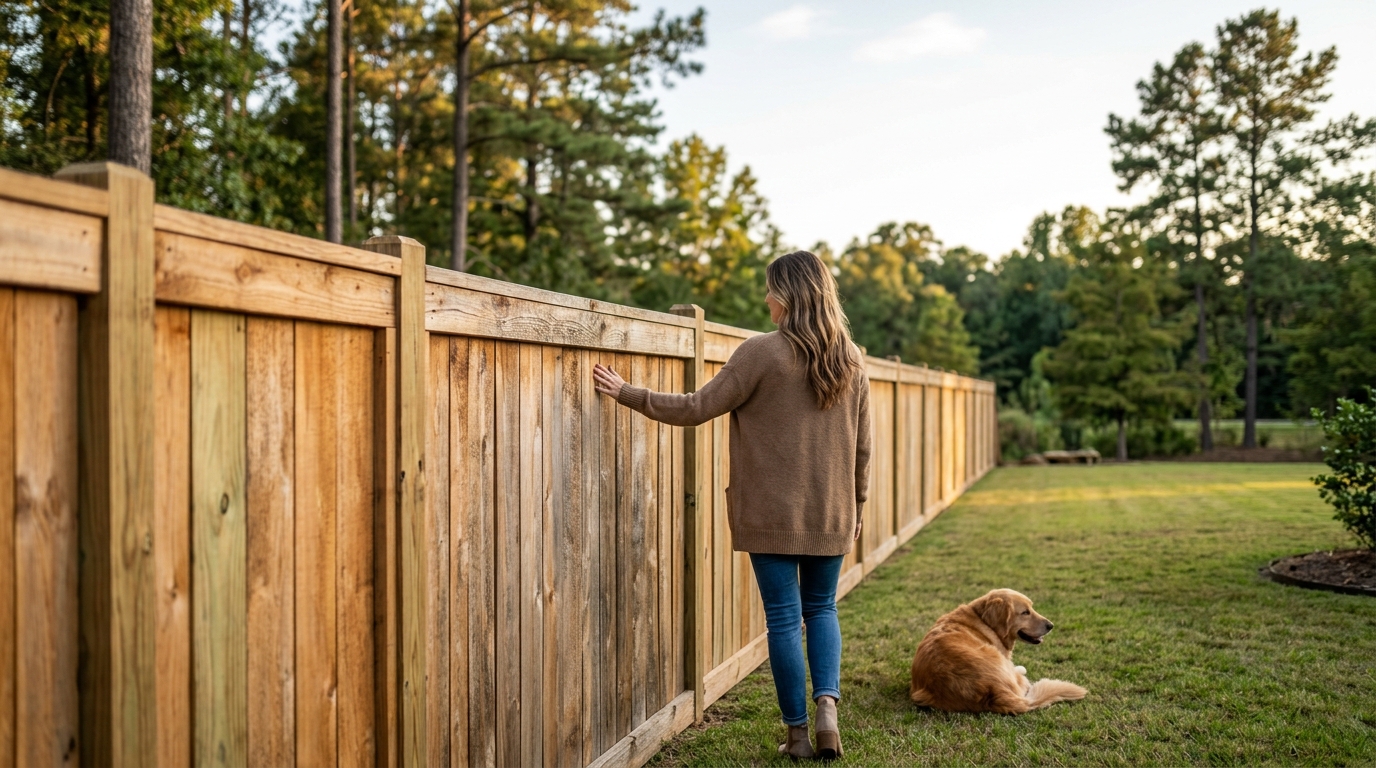
Homeowners in northwest Louisiana and East Texas often ask which wood species best suit their property. The most common types of wood used for residential fencing are cedar, pressure-treated pine, redwood, and cypress. This guide covers the specific characteristics of cedar, the regional availability of wood in the Shreveport-Bossier City area, and how to choose the right material for your yard. Vickers Fence helps homeowners navigate these options to build durable, attractive boundaries.
Cedar Wood Fencing
Cedar is a premium choice for residential fencing due to its natural resistance to decay and insects. Cedar wood is a softwood species known for its aromatic scent and natural oils that repel pests. Unlike pressure-treated pine, cedar does not require chemical treatment to resist rot, making it a popular option for homeowners who prefer a more natural material. The wood is also lightweight, which makes it easier to work with during installation. Its natural color ranges from a light pinkish-brown to a deeper reddish hue, and it weathers to a distinguished silver-gray over time if left unstained.
Why Cedar Resists Decay
The durability of cedar comes from its natural tannins and oils. These compounds act as a built-in preservative, protecting the wood from fungal growth and insect damage. This natural resistance means that a cedar fence can last for decades with proper maintenance, such as periodic staining or sealing. In humid climates like northwest Louisiana, this resistance is particularly valuable because it helps the wood withstand constant moisture exposure without warping or rotting as quickly as untreated softwoods.
Working with Cedar
Cedar is a softwood, which means it is relatively easy to cut, drill, and shape. This workability allows for precise installation of pickets, rails, and posts. However, because it is softer than hardwoods, it is more susceptible to dents and scratches during handling. Professional installers, such as the team at Vickers Fence wood fencing services, handle the material with care to ensure a clean, finished result. The wood also accepts stain and paint well, allowing homeowners to customize the look of their fence to match their home's exterior.
Regional Wood Availability
The availability of specific wood species depends heavily on geography and local supply chains. In the Shreveport-Bossier City area and across northwest Louisiana, certain woods are more accessible and cost-effective than others. Understanding regional availability helps homeowners make informed decisions about budget and timeline. Local suppliers often have better access to certain species, which can reduce shipping costs and lead times.
Local and Regional Species
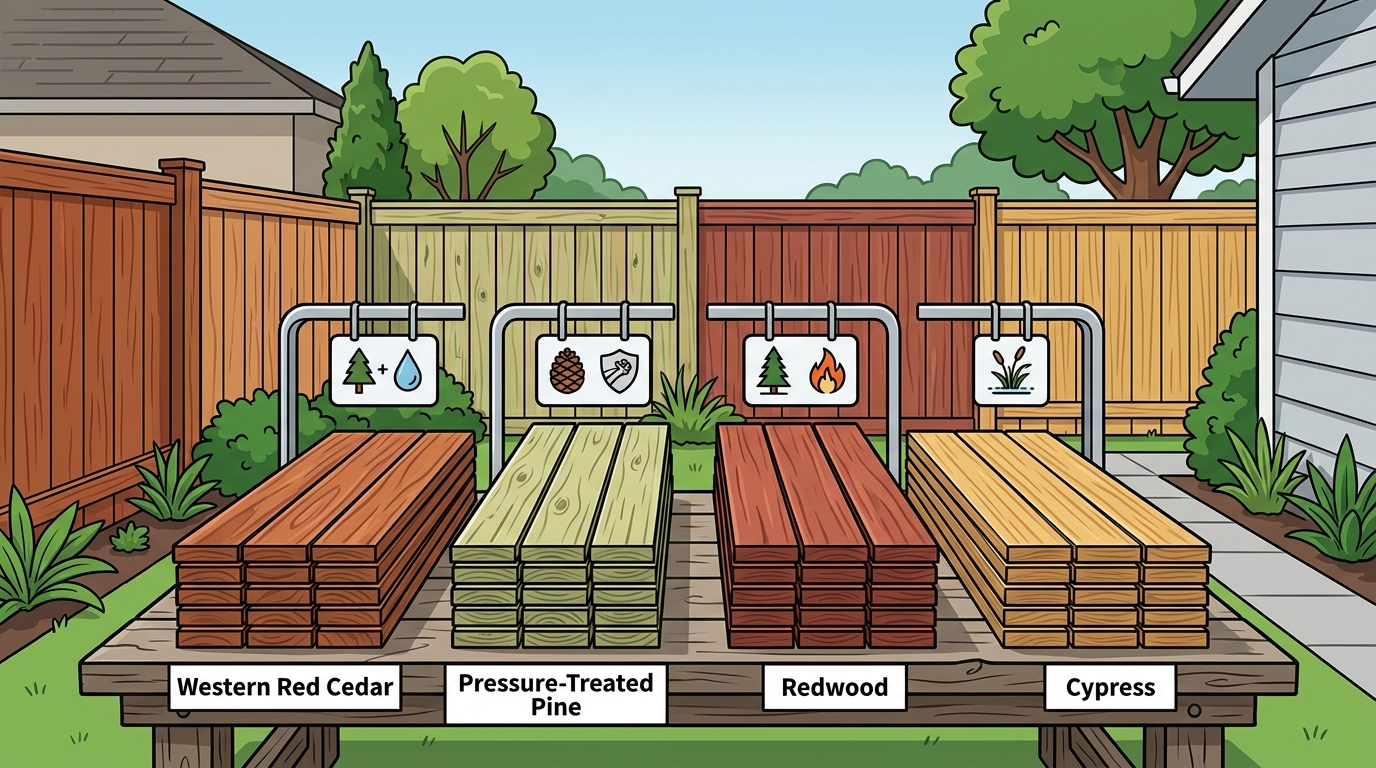
While cedar is often imported from the Pacific Northwest, it remains a widely available option in the South due to high demand. Pressure-treated pine is the most common and affordable wood in the region, sourced from local and nearby mills. Cypress, a native hardwood to the southeastern United States, is also available, though it may be more expensive than pine. Redwood, native to California, is less common in the region and typically commands a higher price due to transportation costs. Homeowners should consider the distance from the source when evaluating the total cost of a wood fence.
Impact on Cost and Lead Time
Regional availability directly influences the price of materials. Woods that are sourced locally, such as pressure-treated pine, tend to be more affordable and have shorter lead times. Imported woods like cedar and redwood may have longer lead times and higher prices, especially during peak construction seasons. Vickers Fence works with local suppliers to ensure that the right materials are available for your project. By planning ahead and selecting a wood that is readily available in the region, you can help keep your project on schedule and within budget.
Wood Type Comparison
The table below summarizes the key characteristics of the most common wood types used for residential fencing. This reference helps you compare durability, cost, and maintenance requirements at a glance.
| Wood Type | Durability | Cost | Maintenance | Regional Availability |
|---|---|---|---|---|
| Cedar | High (natural rot resistance) | Medium to High | Low to Medium (stain every 3-5 years) | Widely available, often imported |
| Pressure-Treated Pine | Medium (chemical treatment) | Low | Medium (stain or paint every 2-3 years) | High (locally sourced) |
| Cypress | High (natural rot resistance) | High | Low (stain every 3-5 years) | Moderate (southeastern US) |
| Redwood | High (natural rot resistance) | High | Low (stain every 3-5 years) | Low (imported from California) |
Key Takeaways
- Cedar is a premium option with natural resistance to decay and insects, making it a durable choice for humid climates.
- Pressure-treated pine is the most affordable and widely available wood in northwest Louisiana, offering a good balance of cost and durability.
- Regional availability affects cost; locally sourced woods like pine are generally cheaper and faster to obtain than imported species like redwood.
- Maintenance requirements vary; cedar and cypress require less frequent staining than pressure-treated pine, which may need more regular upkeep.
- Professional installation matters; working with a local expert like Vickers Fence ensures that the wood is handled correctly and installed for long-term performance.
- Consider your climate; in areas with high humidity and rainfall, choosing a wood with natural rot resistance can extend the life of your fence.
- Plan for weathering; all wood fences will change color over time, so choose a species whose weathered appearance you find appealing.
- Consult a local contractor to discuss the best wood options for your specific property, budget, and maintenance preferences.
Frequently Asked Questions
What is the most durable wood for fencing?
Cedar and cypress are among the most durable woods for fencing due to their natural resistance to rot and insects. These species can last for decades with proper maintenance, making them a long-term investment for your property.
Is cedar more expensive than pressure-treated pine?
Yes, cedar is generally more expensive than pressure-treated pine. However, its natural durability and lower maintenance requirements can offset the higher initial cost over time.
How long does a cedar fence last?
A cedar fence can last 15 to 25 years or more, depending on climate and maintenance. Regular staining or sealing helps protect the wood and extend its lifespan.
What wood is best for humid climates?
Cedar and cypress are excellent choices for humid climates because of their natural resistance to moisture and decay. Pressure-treated pine is also a viable option if maintained properly.
Do I need to stain a cedar fence?
Staining a cedar fence is optional but recommended. Stain protects the wood from UV damage and moisture, helping it maintain its color and durability. If left unstained, cedar will weather to a silver-gray color.
Where does Vickers Fence source its wood?
Vickers Fence works with local and regional suppliers to source high-quality wood for their projects. They can help you choose the best available option based on your budget and timeline.
Can I use redwood for my fence in Louisiana?
Yes, redwood can be used in Louisiana, but it is less common and more expensive due to its distance from the source. Cedar and cypress are often more practical choices for the region.
How do I maintain a wood fence?
Regular maintenance includes inspecting the fence for damage, cleaning the surface, and applying stain or paint as needed. The frequency of maintenance depends on the wood type and local climate.
Conclusion
Choosing the right wood for your residential fence involves balancing durability, cost, and regional availability. Cedar offers natural resistance to decay and a premium look, while pressure-treated pine provides an affordable and practical option. By understanding the characteristics of each wood type and how regional supply chains affect availability, you can make a confident decision for your property. Vickers Fence is here to help you navigate these choices and install a fence that fits your budget and lifestyle. To discuss your project, for a personalized quote.