
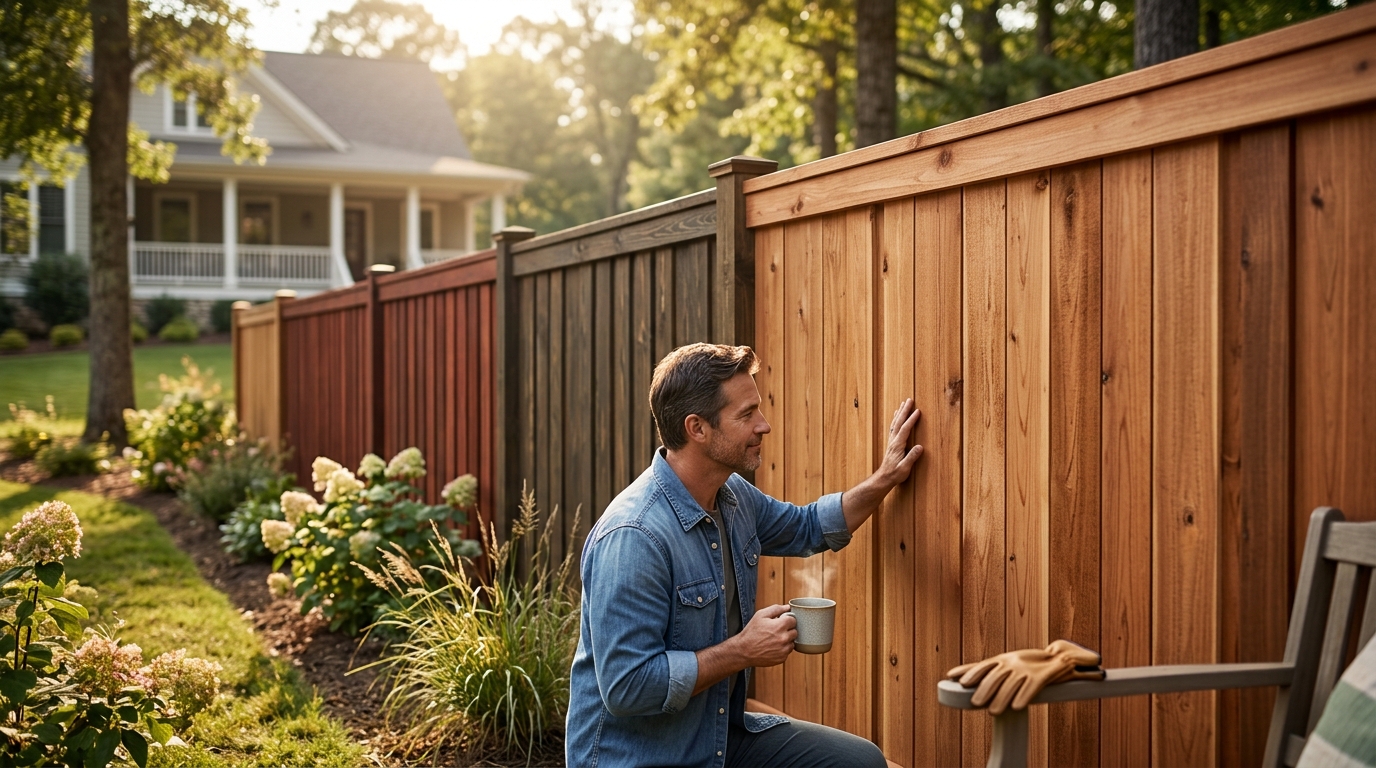
Homeowners in northwest Louisiana and East Texas often ask which wood species best suit their property. The most common types of wood used for residential fencing are pressure treated pine, cedar, and redwood. Each species offers distinct advantages regarding cost, durability, and aesthetic appeal. This guide explores the specific characteristics of these materials to help you make an informed decision for your yard.
Pressure Treated Pine
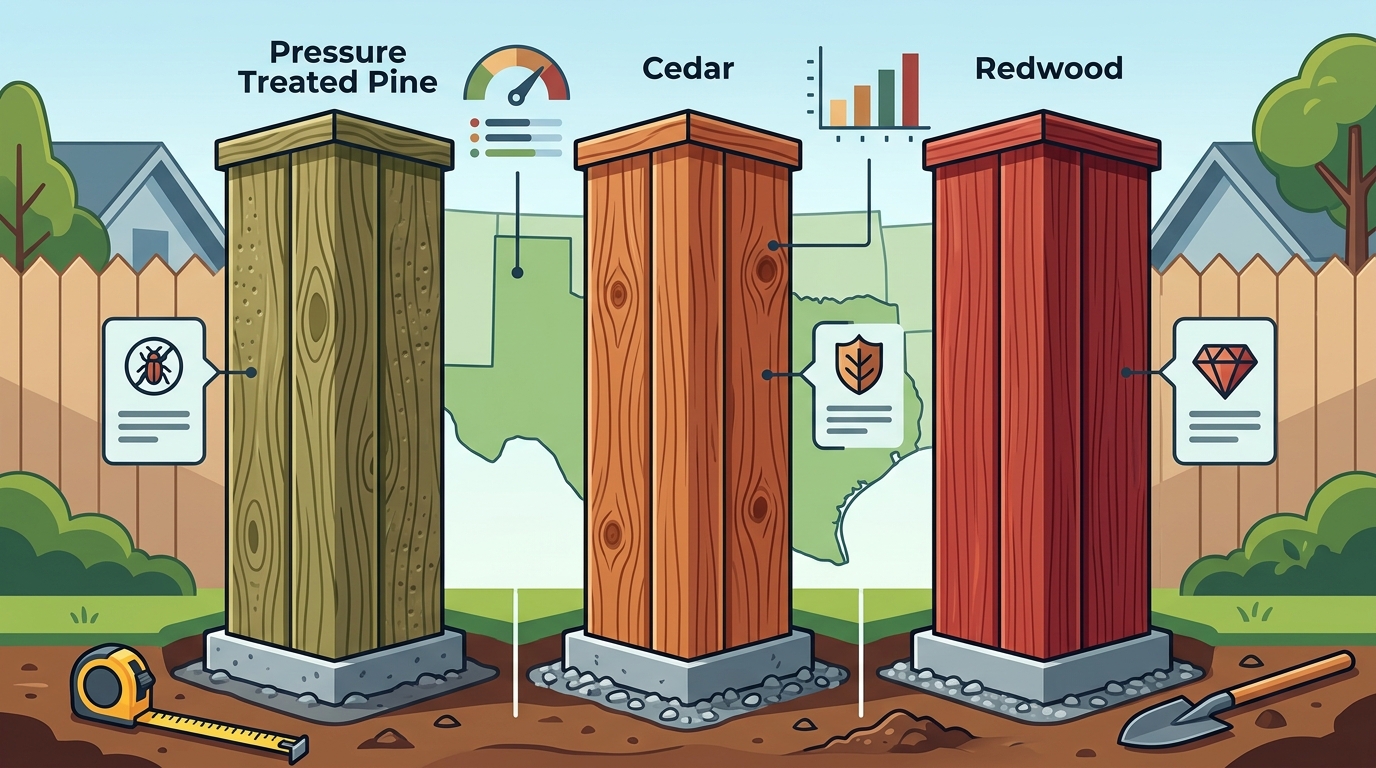
Pressure treated pine is the most widely used material for residential fencing in the United States. It is a softwood that has been chemically treated to resist decay and insect damage. This treatment process forces preservatives deep into the wood fibers, significantly extending the material's lifespan in outdoor environments.
Cost and Accessibility
Pine is generally the most affordable option among the three primary wood species. Its low cost makes it an attractive choice for large perimeter fences or budget-conscious projects. Because pine is abundant and easy to work with, it is available at most lumber yards and home improvement centers.
Appearance and Finish
Freshly installed pressure treated pine has a greenish or grayish tint due to the chemical treatment. Over time, the wood weathers to a natural silver-gray color. Homeowners can stain or paint the fence to achieve a specific look, though the stain must be compatible with the treated wood.
Vickers Fence often recommends pressure treated pine for homeowners who prioritize durability and value. The material provides a strong, reliable boundary that can withstand the humid climate of the region.
Cedar
Cedar is a softwood known for its natural resistance to rot, insects, and moisture. Unlike pine, cedar does not require chemical treatment to achieve durability. Its natural oils provide inherent protection, making it a popular choice for homeowners who prefer a more natural material.
Aesthetic Qualities
Cedar features a warm, reddish-brown color that weathers to a silver-gray over time. The wood has a fine, straight grain that is visually appealing even without a finish. Cedar is often used for privacy fences where the natural beauty of the wood is a key design element.
Workability and Scent
Cedar is lightweight and easy to cut, making it a favorite among professional installers. The wood also has a distinct, pleasant aroma that many homeowners find appealing. This scent is a byproduct of the natural oils that protect the wood from decay.
For those seeking a balance between cost and natural durability, cedar is an excellent middle-ground option. It is more expensive than pine but generally less costly than redwood.
Redwood
Color and Grain
Redwood is known for its deep red to brown hues, which can vary depending on the specific grade of the wood. The grain is straight and uniform, providing a smooth surface that is ideal for staining. The color of redwood is often a primary reason homeowners choose it for their properties.
Longevity and Value
While the initial investment is higher, redwood can last for decades with proper care. Its density and natural resistance to the elements make it a long-term investment for homeowners. Redwood is often used for high-end privacy fences and decorative features.
Vickers Fence has experience working with various wood species, including redwood, to create custom fence designs that enhance curb appeal.
Wood Durability Characteristics
Understanding the durability of different wood species is crucial for selecting the right material for your climate. Durability is influenced by factors such as density, natural oils, and treatment methods. Each species has a different lifespan and resistance to environmental stressors.
Decay and Insect Resistance
Pressure treated pine relies on chemical preservatives to resist decay and insects. Cedar and redwood have natural oils that provide this resistance without treatment. The level of protection varies by species, with redwood generally offering the highest natural resistance.
Moisture and Humidity
Wood is hygroscopic, meaning it absorbs and releases moisture from the air. In humid climates, this can lead to swelling, warping, or cracking. Denser woods like redwood are less susceptible to moisture-related issues than softer woods like pine.
Choosing a wood with appropriate durability characteristics for your local climate can save money on repairs and replacements in the long run. Professional installers can advise on the best material for specific site conditions.
Regional Availability
The availability of wood species can vary by region, affecting both cost and lead times. In northwest Louisiana and East Texas, pressure treated pine is widely available due to its abundance in the region. Cedar and redwood may need to be sourced from further away, which can impact pricing.
Local Lumber Supply
Local lumber yards often have a steady supply of pressure treated pine, making it easy to source for large projects. Cedar is also commonly available, though it may be more expensive than pine. Redwood is less common in the region and may require special ordering.
Seasonal Considerations
Wood availability can fluctuate based on seasonal demand and supply chain factors. Planning your fence project during off-peak seasons may result in better availability and pricing. Working with a local contractor can help navigate these variations.
Vickers Fence serves the Greenwood area and surrounding regions, providing access to quality materials and professional installation services.
Maintenance Requirements
Proper maintenance is essential for extending the life of any wood fence. The frequency and type of maintenance depend on the wood species and local climate. Regular inspections and timely repairs can prevent minor issues from becoming major problems.
Cleaning and Inspection
Wood fences should be inspected annually for signs of damage, such as rot, insect activity, or loose hardware. Cleaning the fence with a mild detergent and water can remove dirt and mildew, preserving the wood's appearance. This is particularly important in humid climates where mildew can grow quickly.
Staining and Sealing
Applying a stain or sealant protects the wood from moisture and UV damage. The frequency of reapplication depends on the product used and the wood species. Pressure treated pine may require staining every two to three years, while cedar and redwood may last longer between applications.
Neglecting maintenance can significantly reduce the lifespan of a wood fence. A proactive approach to care ensures that your fence remains functional and attractive for years to come.
Comparison Table
| Cost | Low | Medium | High |
| Natural Durability | Low (requires treatment) | High | Very High |
| Appearance | Green/Gray, weathers to silver | Reddish-brown, weathers to silver | Deep red/brown, rich color |
| Maintenance | Stain every 2-3 years | Stain every 3-5 years | Stain every 3-5 years |
| Best For | Budget projects, large perimeters | Natural look, mid-range budget | Premium aesthetic, long lifespan |
Key Takeaways
- Pressure treated pine is the most affordable and widely available option for residential fencing.
- Cedar offers a natural resistance to decay and insects without chemical treatment.
- Redwood is a premium hardwood with exceptional durability and rich color.
- Durability is influenced by wood density, natural oils, and treatment methods.
- Regional availability can affect cost and lead times for different wood species.
- Regular maintenance, including cleaning and staining, is crucial for extending fence life.
- Choosing the right wood depends on budget, aesthetic preferences, and local climate.
- Professional installation ensures that the fence is built correctly and lasts longer.
Frequently Asked Questions
What is the most durable wood for fencing?
Redwood is generally considered the most durable wood for fencing due to its high density and natural resistance to decay and insects. Cedar is also highly durable, while pressure treated pine relies on chemical treatment for protection.
How long does a wood fence last?
The lifespan of a wood fence depends on the species, climate, and maintenance. Pressure treated pine can last 15 to 20 years, cedar 20 to 25 years, and redwood 25 to 40 years with proper care.
Is pressure treated pine safe for children and pets?
Can I paint or stain a wood fence?
Yes, wood fences can be painted or stained. Staining is often preferred as it allows the wood grain to show through and provides UV protection. Painting offers more color options but can be less durable over time.
Which wood is best for humid climates?
Cedar and redwood are excellent choices for humid climates due to their natural resistance to moisture and decay. Pressure treated pine is also suitable but may require more frequent maintenance in high humidity.
How do I maintain a wood fence?
Inspect the fence annually for damage, clean it with mild detergent and water, and apply a stain or sealant every few years. Promptly repair any loose hardware or damaged boards to prevent further issues.
Where can I find a professional fence installer in Louisiana?
Vickers Fence provides professional installation and repair services for wood, chain link, and aluminum fences in northwest Louisiana and East Texas.
Conclusion
Selecting the right wood for your residential fence involves balancing cost, durability, and aesthetic preferences. Pressure treated pine offers value, cedar provides natural beauty, and redwood delivers premium quality. Understanding the characteristics of each species helps you make a decision that fits your property and budget. For expert advice and professional installation, contact Vickers Fence to discuss your project today.