
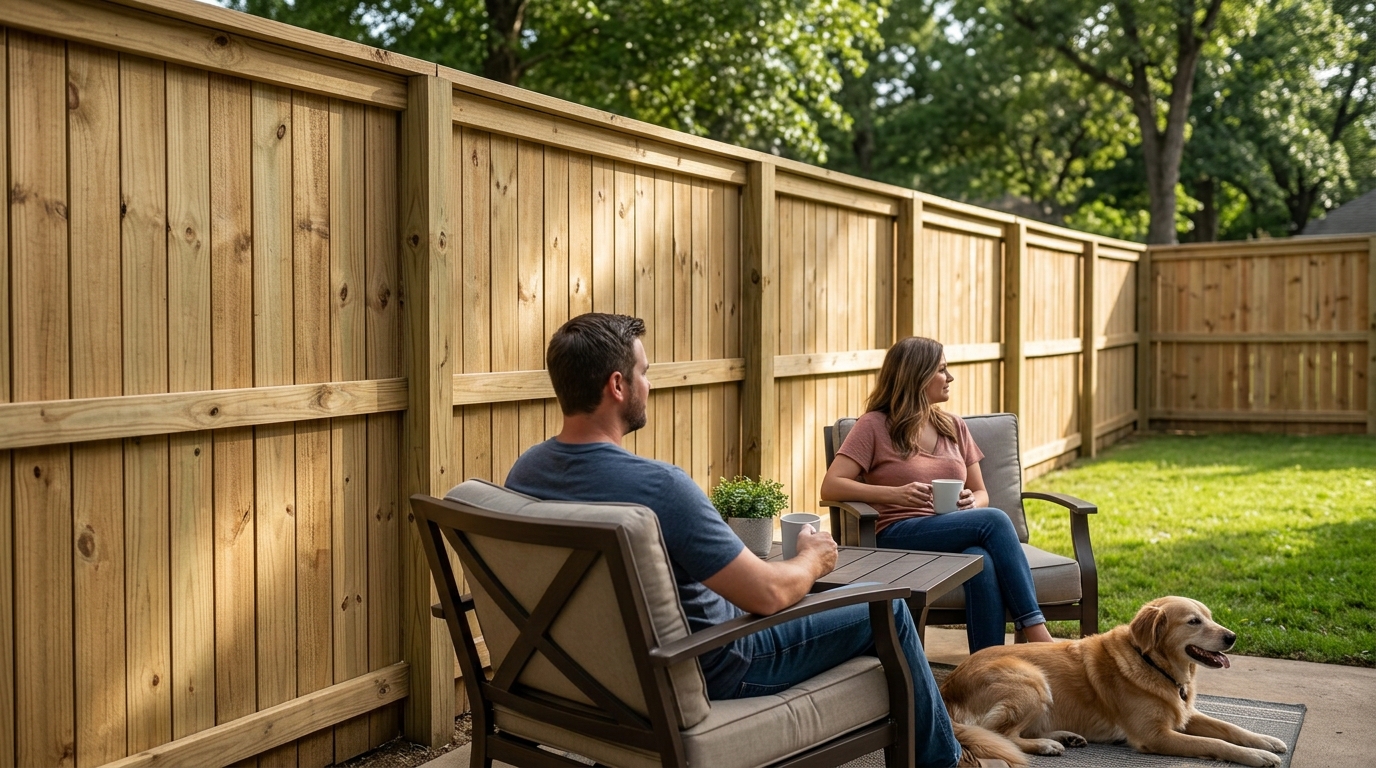
Pressure treated pine is the most popular choice for residential fences because it offers a durable, cost-effective, and versatile material that resists rot and insects. Its chemical treatment extends the lifespan of the wood significantly, making it a practical investment for homeowners. Vickers Fence often recommends this material for its balance of strength and affordability in northwest Louisiana and East Texas.
Chemical Protection and Durability
Pressure treatment is a process where wood is forced into a vacuum chamber and infused with preservative chemicals. This method ensures the treatment penetrates deep into the wood fibers, not just the surface. The primary goal is to protect the wood from biological threats that cause decay.
The most common preservative used today is Alkaline Copper Quaternary, or ACQ. ACQ is a water-based solution that provides excellent protection against fungi and termites. Because the chemicals are bonded to the wood, the protection lasts for decades, even in ground contact. This makes it ideal for fence posts that sit directly in the soil.
For homeowners in humid climates, this durability is critical. Wood that is not treated will rot much faster when exposed to constant moisture. By choosing pressure treated pine, you are selecting a material that is engineered to withstand the elements. This reduces the need for frequent replacements and lowers long-term maintenance costs.
Cost-Effectiveness and Value
Pressure treated pine is generally the most affordable option among common fence materials. It costs significantly less than hardwoods like cedar or redwood, which are naturally resistant to rot but come at a premium price. This price difference allows homeowners to cover larger areas or install taller fences within the same budget.
The value extends beyond the initial purchase price. Because the material is durable, it holds up well against weather and pests. This means fewer repairs and a longer service life. For a full backyard enclosure, the savings can be substantial compared to using more expensive wood species.
When planning a project, budget is often a primary concern. Pressure treated pine provides a high-quality result without a high price tag. It is a practical choice for both new installations and repairs. Contact Vickers Fence to discuss how this material fits your specific budget and property needs.
Versatility in Design and Application
The material is also easy to work with. It can be cut, drilled, and shaped using standard woodworking tools. This makes it a favorite among contractors and DIY enthusiasts alike. The wood accepts stain and paint well, allowing for customization of color and finish. You can leave it to weather naturally or stain it to match your home's exterior.
For properties with unique layouts, this versatility is a major advantage. Sloped yards, uneven terrain, and complex property lines are easier to manage with a material that is both strong and workable. Vickers Fence uses this material to create custom layouts that fit the specific contours of each property.
Maintenance and Longevity
While pressure treated pine is durable, it does require some maintenance to look its best. The wood will weather to a silver-gray color over time if left untreated. This is a natural process and does not indicate structural failure. However, many homeowners prefer to stain the fence to maintain a specific color.
Staining is a relatively simple task that can be done every few years. It protects the wood from UV damage and adds a layer of moisture resistance. Regular inspections are also important. Checking for loose hardware or damaged sections helps prevent small issues from becoming major problems. This proactive approach extends the life of the fence.
Compared to other materials, the maintenance requirements are manageable. Metal fences may rust, and vinyl fences can crack in extreme cold. Pressure treated pine offers a middle ground that is both durable and easy to maintain. It is a reliable choice for long-term use.
Suitability for Local Climates
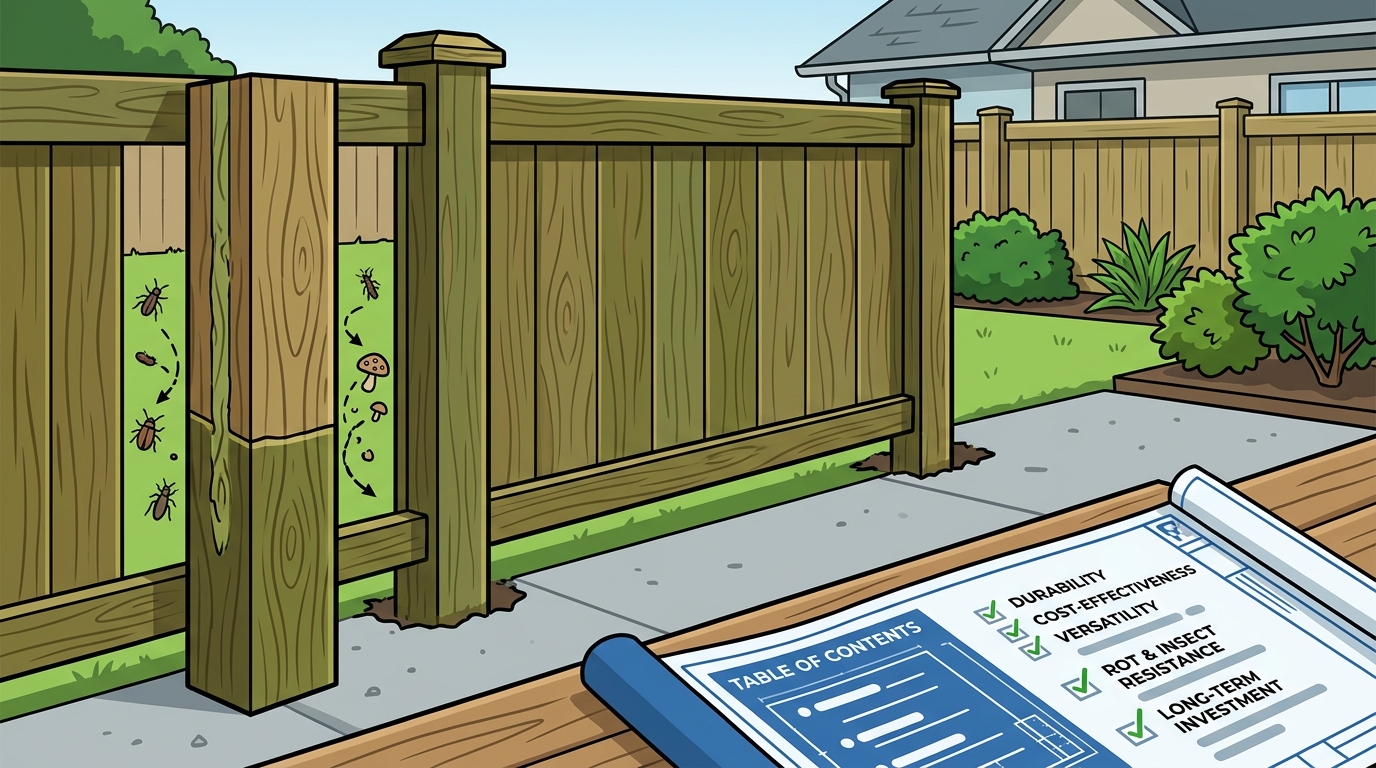
The climate in northwest Louisiana and East Texas presents specific challenges for fencing. High humidity, heavy rains, and fluctuating temperatures can degrade wood quickly. Pressure treated pine is well-suited to these conditions. The chemical treatment protects the wood from the moisture that is prevalent in these regions.
Local soil conditions also play a role. Ground contact is a major factor in fence durability. Pressure treated pine is designed to withstand direct contact with soil. This makes it a reliable choice for fence posts in the region. The material's resistance to rot and insects is particularly valuable in these humid environments.
Choosing a material that is suited to the local climate is essential for a long-lasting fence. Pressure treated pine has a proven track record in these areas. It is a practical and durable choice for homeowners in the region. Vickers Fence has experience working with this material in local conditions and can provide guidance on the best practices for your property.
Key Takeaways
- Pressure treated pine is the most popular residential fence material due to its durability and cost-effectiveness.
- The chemical treatment process protects the wood from rot, fungi, and termites for decades.
- It is significantly more affordable than naturally rot-resistant hardwoods like cedar or redwood.
- The material is versatile and can be used for various fence styles and custom layouts.
- Regular maintenance, such as staining, helps preserve the appearance and extend the fence's life.
- It is well-suited to the humid climates of northwest Louisiana and East Texas.
Frequently Asked Questions
Is pressure treated pine safe for children and pets?
Yes, modern pressure treated pine is safe for children and pets. The chemicals used in the treatment process are bound to the wood and do not leach out in significant amounts. It is a widely used material for playgrounds and residential fences.
How long does a pressure treated pine fence last?
A pressure treated pine fence can last 15 to 30 years, depending on maintenance and environmental conditions. Proper installation and regular care can extend its lifespan even further.
Can I paint or stain pressure treated pine?
Yes, you can paint or stain pressure treated pine. It is recommended to wait for the wood to dry completely before applying any finish. Staining is often preferred as it allows the wood to breathe and provides UV protection.
What is the difference between ACQ and CCA treated wood?
ACQ and CCA are both preservative treatments. CCA contains arsenic, while ACQ does not. ACQ is the standard for residential use today due to safety concerns associated with CCA. Both provide excellent protection against rot and insects.
Does pressure treated pine require more maintenance than other woods?
Pressure treated pine requires similar maintenance to other wood fences. Regular inspections and occasional staining are recommended. It is generally easier to maintain than untreated wood, which is more susceptible to rot.
Can I use pressure treated pine for a privacy fence?
Yes, pressure treated pine is an excellent choice for privacy fences. It is strong enough to support tall, solid panels. The material's durability makes it a reliable option for creating a private outdoor space.